
A piezoresistive ceramic pressure sensor is now one of the most trusted tools in many industries. It gives very fast, safe, and stable pressure readings. It also works in harsh areas where heat, water, dust, and strong chemicals are common. Many plants choose this sensor because it is simple, strong, and long-lasting. It also saves time because it needs little care. It helps workers see pressure change fast and act quick to keep the system safe. This makes the sensor a very important part of plant work. It lasts long, so plants do not need to change it often. It works steady all day, even when the load is high. It makes the whole system safe, simple, and strong.
Ceramic Power in Sensor Design
Piezoresistive ceramic pressure sensor parts are made from a strong ceramic material. This material is resistant to rust, breakage, and wear. It handles shock, high heat, and strong chemicals. That is why many plants call it a corrosion resistant pressure sensor. Ceramic also keeps its shape even with very high pressure. This enables the sensor to last longer and operate with very high accuracy. It stays stable even if the environment changes quickly. Due to this, ceramics have become a wise choice for many critical applications.
The Piezoresistive Effect in Action

A piezoresistive ceramic pressure sensor works by using a slight change in electrical resistance. When pressure is applied to the ceramic diaphragm, the resistance changes. The sensor then turns this change into a clean signal. The system reads this signal as pressure. This method is speedy and very stable. It works well in both low and high pressure. The ceramic diaphragm also gives strong protection from damage. That makes the reading steadier and reliable for long work hours.
Benefits for Industry Use
Industries require sensors that operate reliably without fail. This sensor gives clear and steady data. It also works in environments with dust, water, vibration, and high temperatures. It continues to function where metal sensors may fail. It is also an industrial Piezoresistive ceramic pressure sensor that requires minimal maintenance. It resists oil, gas, chemicals, and salt water. It also supports wide pressure ranges. This makes it ideal for plant machinery, pumps, valves, tanks, and many other systems that operate continuously around the clock.
Use in High Temperature and Harsh Areas
This sensor is often used as a high temperature pressure sensor because ceramic can withstand high temperatures without losing accuracy. Many plants use it near boilers, heaters, steam lines, and hot pipes. It also works well in cold areas. Ceramic does not crack easily due to temperature changes. This makes it a stable choice for long-term jobs. It is also used as a chemical pressure sensor in areas with strong acids and bases. It stays safe in oil, fuel, and harsh liquid tanks.
Use in Water and Pump Systems
Many industries use this sensor as a water pump Piezoresistive ceramic pressure sensor because it gives quick readings for pump control. It helps avoid pump overload. It also helps keep a steady flow. Water treatment plants, irrigation systems, and cooling towers all use ceramic sensors. The sensor does not rust in water, so the readings stay stable. It also does not get stuck with dirt like some metal sensors. This makes it perfect for extended use in wet areas.
Role in Chemical and Food Plants
A flush diaphragm pressure sensor is beneficial in chemical and food plants because it is easy to clean. It does not keep leftover material on the surface. This keeps the system safe and clean. Food plants use these sensors to avoid contamination. Chemical plants use them to handle strong liquids. Ceramic provides strong protection against acids and toxic mixtures. It also maintains stable reading, even in rapid pressure changes.
Monolithic Ceramic Sensor Design
A monolithic ceramic sensor is made from one solid ceramic block. This design removes weak joints. It makes the sensor very stable and long-lasting. It handles high load without cracking. It also keeps accuracy for many years. This type of design is now used in many high-pressure machines because it can withstand very high forces. It is also used in plants where rapid pressure changes occur multiple times a day.
XDB100 Piezoresistive Monolithic Ceramic Pressure Sensor
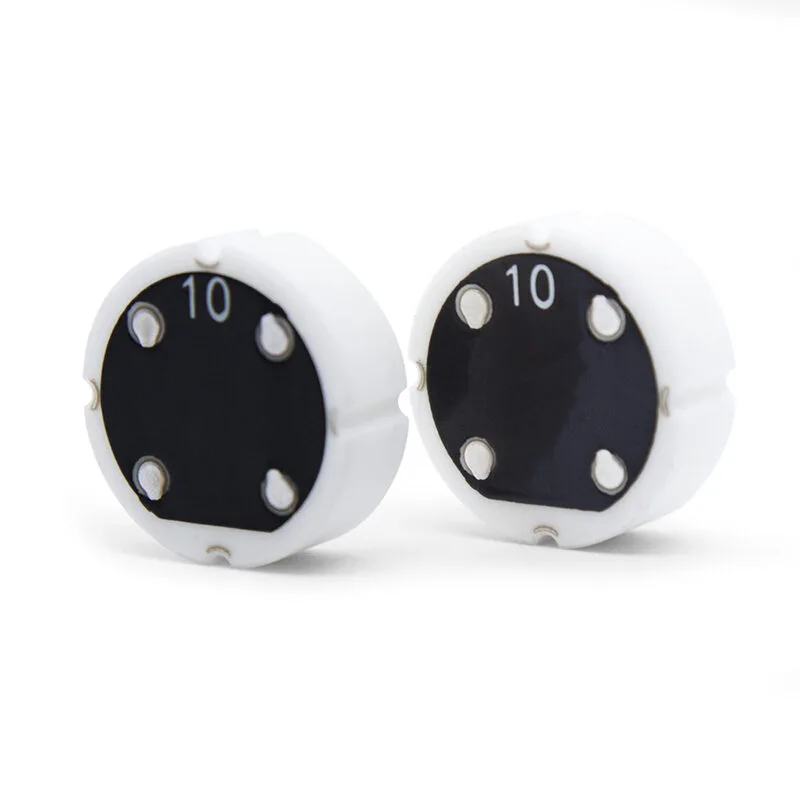
The XDB100 is a robust, monolithic piezoresistive ceramic pressure sensor designed for various industrial applications. It is constructed from a single solid ceramic piece, which provides high strength and a long lifespan. It functions as a high pressure sensor for machines that encounter significant loads. It also works in chemical zones because it resists corrosion. The XDB100 remains stable in both hot and cold environments. It gives clean signals and is easy to install. Many plants utilize it for pumps, valves, tanks, and chemical lines because it remains operational even in harsh conditions.
XDB101 Flush Diaphragm Piezoresistive Ceramic Pressure Sensor
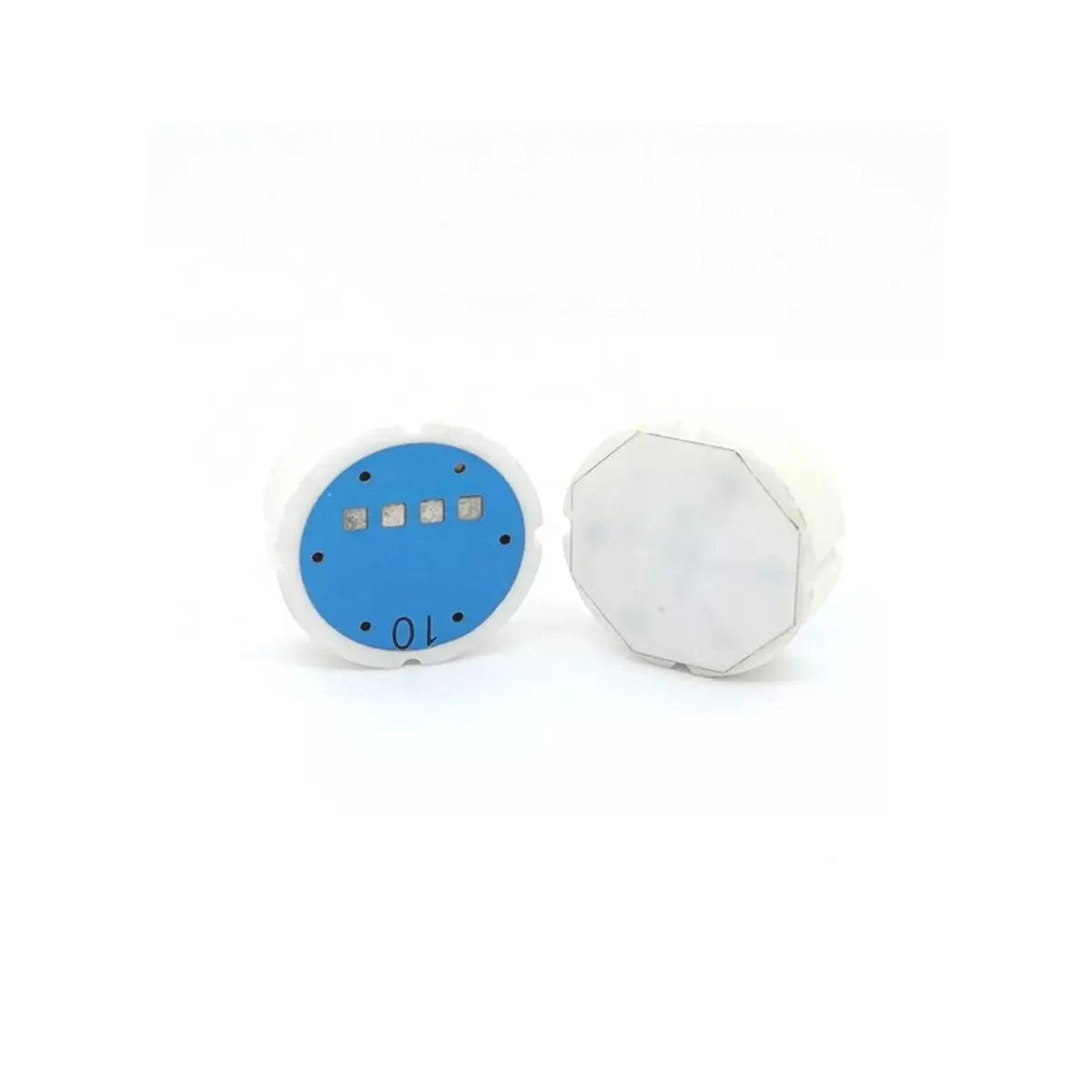
The XDB101 is a flush diaphragm pressure sensor made for systems that need a clean and smooth surface. This design helps avoid dirt build-up. It is ideal for food, drink, water, and chemical plants. It also works well with thick fluids. The ceramic diaphragm is strong and safe for high temperatures. It also handles strong chemicals. The XDB101 gives fast and stable output with very high accuracy. Plants choose this sensor to maintain a safe flow, keep pipes clean, and achieve fast pressure control.
Why Industries Prefer Ceramic Sensors Today
Industries prefer ceramic sensors because they offer long life and low care. They also reduce costs because they fail infrequently. The sensors work well with pumps, tanks, pipes, and machines in many fields. They offer stable readings even in heavy work. They also stay safe in heat, water, and chemicals. This makes the piezoresistive ceramic pressure sensor one of the best choices for modern industry use.
Choose XIDIBEI Piezoresistive Ceramic Sensors
Get top-grade XIDIBEI Piezoresistive Ceramic Pressure Sensor for your machines. It gives fast, accurate, and safe readings. Use it as a water pump, chemical sensor, or high-heat sensor. The XDB100 and XDB101 sensors are durable, resistant to rust, and designed to withstand harsh environments. Keep your machines safe, smooth, and steady. Many industries trust XIDIBEI sensors. Select the exact one that best suits your specific needs.
A piezoresistive ceramic pressure sensor is robust and accurate. XDB100 and XDB101 keep machines safe and steady. Ceramic sensors are best for future work.
FAQs
- What is a piezoresistive ceramic pressure sensor?
A piezoresistive ceramic pressure sensor accurately measures pressure quickly and reliably. It works in hot, wet, and chemical areas and keeps machines safe.
- Where are these sensors used in industry?
They are used in pumps, tanks, pipes, chemical plants, food plants, and machines that need safe and steady pressure.
- What are the key products?
XIDIBEI offers XDB100 Monolithic Ceramic Sensor and XDB101 Flush Diaphragm Sensor. Both last long and resist rust and heat.
- Why choose ceramic sensors?
Ceramic sensors are strong, accurate, resistant to rust and chemicals, and perform well in harsh and high-temperature environments.
- Can they work in areas with water or chemicals?
Yes, they are safe in water, oil, chemicals, and high heat. They keep reading true and steady.