
Smart agriculture sensors help farms operate more efficiently. These tools monitor soil, water, and crops in real-time. They provide precise numbers so farmers do not have to guess. Smart sensors in agriculture help grow more food with less cost. Smart sensors in agriculture also help farmers plan work on sunny, rainy, or dry days. These tools save time and make farm work easy. Many farmers check smart agriculture sensor prices and look for smart agriculture sensors for sale because these tools keep farms safe and smart.
The Importance of Smart Sensors in Modern Farming
Innovative farming sensor tools make farm work fast and straightforward. They reveal the actual state of the soil, plants, and water. They help farmers take quick action. Farms often face low water supplies, poor soil quality, and changing weather conditions. Smart agriculture sensors help address these problems by providing accurate data. They connect to phones and farm apps, so farmers see updates in real-time. People check the Smart agriculture sensor price to pick the right tool. These sensors indicate the amount of water or fertilizer the farm requires. They cut waste and protect the land. They help all farms stay clean, safe, and easy to manage.
Better Soil Monitoring for Higher Yield
Soil is the heart of farming. A soil pH sensor or pH sensor in soil indicates whether the soil is acidic or alkaline. This helps farmers know what to add to make the soil healthy. Many farmers also check the soil pH sensor price to find a good one. Tools like the Soil pH Meter, the Soil Acidity Sensor, and the Soil Alkalinity Sensor help farmers obtain the correct pH levels. Smart agriculture sensors stop soil mistakes and save money. When the soil pH is correct, plants grow strong and give more food. These sensors help farms protect soil every season.
Smart Nutrient Control for Healthy Crops
Plants need nitrogen, phosphorus, and potassium to grow well. A soil nutrient sensor, also known as a soil NPK sensor, displays the nutrient levels in the soil. It shows if the soil is low or high in nutrients. People check the NPK soil sensor price to choose a good model. The best smart agriculture sensor for nutrients gives fast and steady numbers. An NPK soil sensor helps farmers use the right amount of fertilizer. It stops waste and saves money. A good nutrient balance helps roots grow deep, and plants stay strong in all weather conditions.
Smart Moisture Control for Irrigation Systems
Water is essential for crops. A soil moisture sensor measures the amount of water in the soil. The best soil moisture sensor provides accurate data in both rain and dry heat. It helps prevent both excessive and insufficient water. Farmers also use a greenhouse moisture sensor or an Agricultural Irrigation Sensor for water control in greenhouses. Some farmers use a Buried Soil Sensor to check deep soil water. Smart agriculture sensors help conserve water and maintain crop health. They help farmers develop effective irrigation plans and use water efficiently.
Top Smart Agriculture Sensors for Soil Monitoring
These three smart sensors help farms check soil pH, food, and water. They give clear numbers to grow plants better and save time, water, and fertilizer.
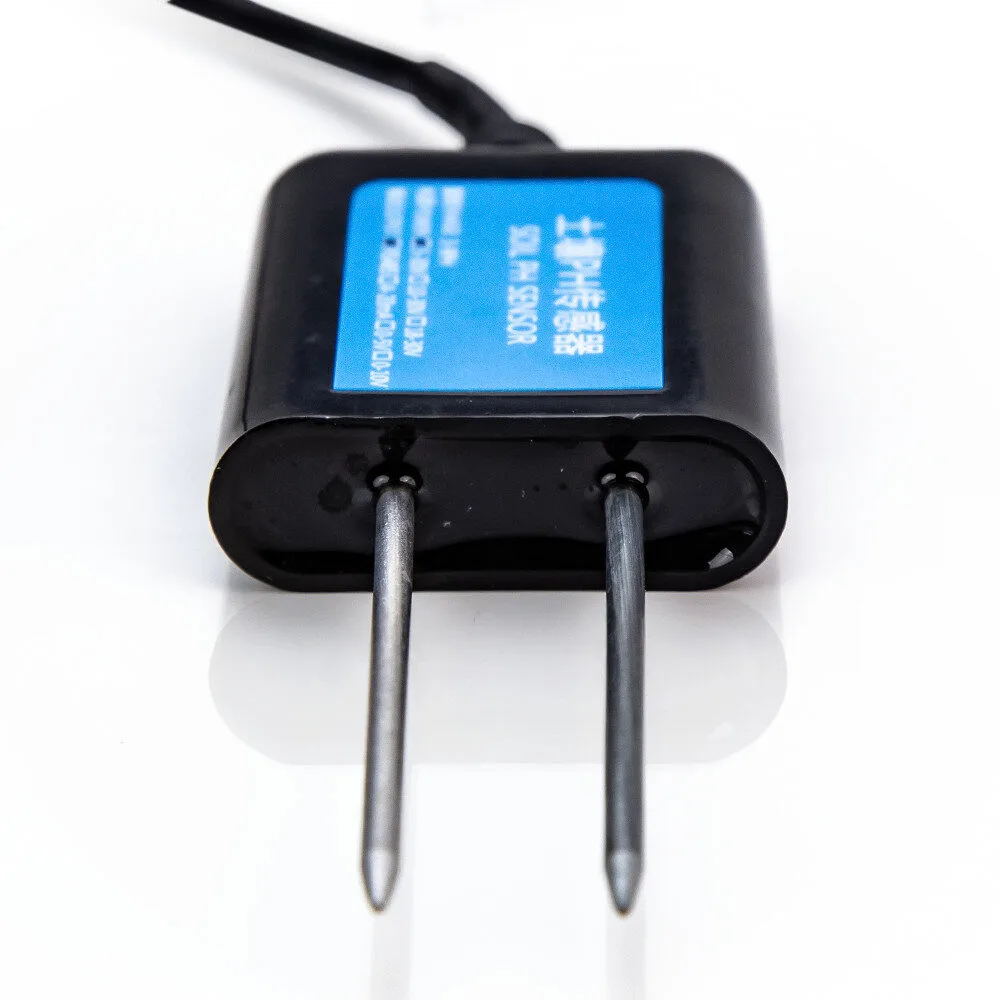
XDB1001-1 Series Soil PH Sensor
The XDB1001-1 Series Soil PH Sensor is a simple and strong sensor for checking soil pH. It shows if the soil is acidic or alkaline. This helps farmers plan fertilizer work. This ph sensor soil performs well in both wet and dry soil, as well as in mixed soils. It provides stable numbers that remain accurate for an extended period. This pH sensor soil tool is easy to use and lasts long in the field. Many users call it the Best smart agriculture sensor for soil pH. It works well as a soil pH Meter and helps keep soil healthy all year.
XDB1001-2 Series Soil nitrogen, phosphorus and potassium sensor
The XDB1001-2 Series Soil nitrogen, phosphorus and potassium sensor provides fast and precise readings of these levels. It checks for nitrogen in leaves, phosphorus in roots, and potassium for plant strength. This sensor is suitable for use in various settings, including fields, gardens, fruit farms, and greenhouses. Many users check the price of NPK soil sensors and find this a good option because it provides three readings in one tool. This soil nutrient sensor helps farmers save fertilizer and grow healthy plants. It is one of the most trusted smart sensors agriculture for nutrient care.

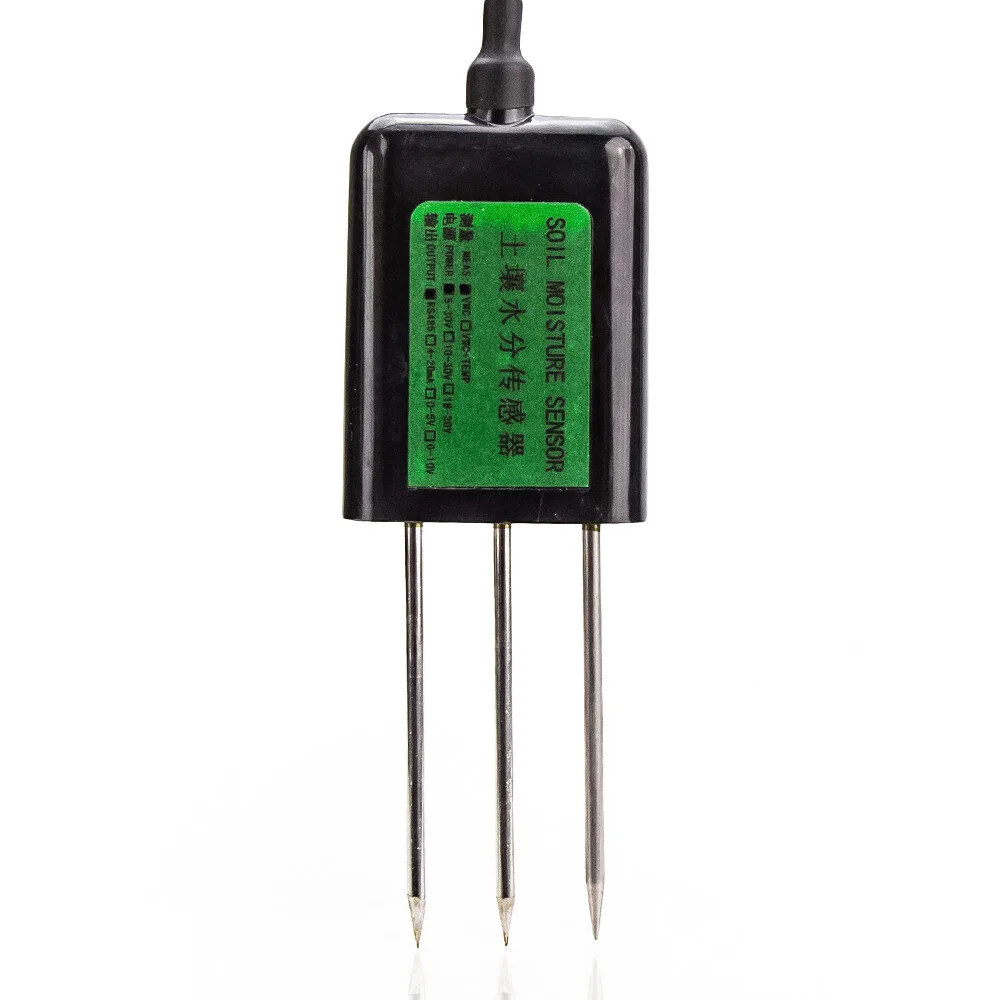
XDB1001-3 Series Soil Moisture Sensor
The XDB1001-3 Series Soil Moisture Sensor provides real-time soil water measurements in a simple format. It is a Smart farming sensor that helps control pumps and watering time. It works as the best soil moisture sensor for many types of farms. It gives steady data in hot, cold, wet, or dry weather. Farmers also use it as a Buried Soil Sensor to check the water level in deep soil. It helps farms conserve water and maintain healthy soil. This tool is simple, strong, and very useful.
Upgrade Your Farm with Easy Smart Agriculture Sensors
Make your farm better with smart agriculture sensors from XIDIBEI. These tools are simple, strong, and easy to use. They show real soil, water, and food levels fast. With these precise numbers, you can water your crops right, feed them right, and grow more food with less work. XIDIBEI offers sensors suitable for all farms and budgets. If you want clean data, easy setup, and quick results, this is the best time to upgrade. XIDIBEI picks the smart sensor that helps your farm stay healthy, safe, and bright every day.
Smart agriculture sensors enable farms to produce more food with less effort. They show real soil, water, and nutrient levels. These tools save money, cut waste, and protect crops. They make farming easy, safe, and ready for the future.
FAQs
What are smart agriculture sensors?
Smart agriculture sensors are tools that check soil, water, and crop health. They provide real numbers to help farmers make informed and accurate decisions.
How do smart sensors help farms?
They display soil pH, nutrients, and moisture levels. This helps farmers save water, fertilizer, and time while growing healthier crops.
What types of smart sensors are used in farming?
Common types include soil pH sensors, soil NPK sensors, and soil moisture sensors. They monitor soil health, nutrients, and water levels.
Can these sensors work in greenhouses?
Yes. Greenhouse moisture sensors and buried soil sensors help track water and soil conditions for better plant growth.
Are smart agriculture sensors easy to use?
Yes. They are simple, provide precise readings, and help all types of farms make decisions quickly and safely.